
The Disillusionment of Love
The War of the RosesThis thread follows the novel’s changing language about love as youthful certainty becomes disappointment, suspicion, and finally an ambiguous remnant of shared feeling.
increasing Bearing strength in each event
 decreasing
Bearing strength in each eventdecreasingLove as a Promise
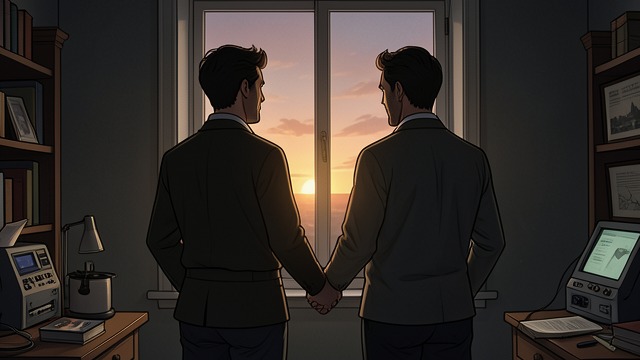
Love as a Promise
A Total Commitment
Oliver Rose and Barbara Rose believe that being in love justifies major sacrifices. Their attachment seems to promise that shared effort will produce a fulfilling future.
The Beginning of a Story
The couple’s memories of their meeting and marriage give meaning to later family rituals. Love functions as the explanation for how their lives became intertwined, even as that explanation will later be questioned.
Love Hidden in Routine

Love Hidden in Routine
Care Becomes Habit
The couple express attachment through work, parenting, shared collections, and the home they build. Their days turn affection into practical service and familiar companionship.
Habits Mask Change
The routines continue even as Barbara Rose’s sexual desire diminishes and her sense of self narrows. A functioning household can conceal emotional distance until one spouse finally names it.
Love Lies
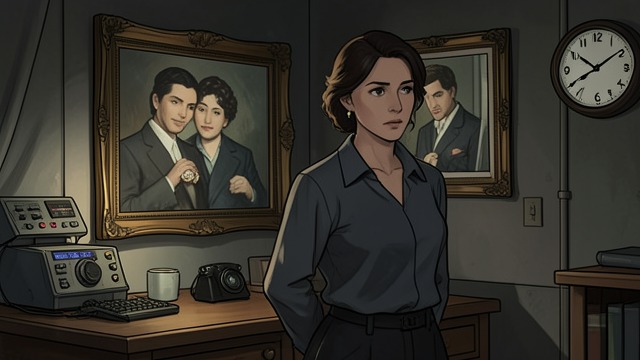
Love Lies
A Retrospective Judgment
Barbara Rose concludes that love had encouraged her to abandon education and define her life around Oliver Rose. She sees the ideal of permanent devotion as a story that hid unequal sacrifices.
A Painful Reassessment
Her judgment gives language to her desire for independence, but it also erases the genuine affection that once shaped the marriage. The past becomes difficult to interpret without either romanticizing or condemning it.
Oliver Rose’s Rejection of Love
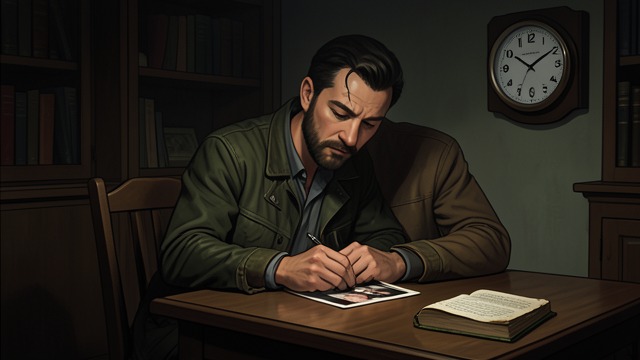
Oliver Rose’s Rejection of Love
Bitterness Replaces Faith
Oliver Rose thinks of love as empty after Barbara Rose ends the marriage. He tries to reduce their history to an error and to treat attachment as weakness.
Dependence Persists
Despite his contempt for the idea, he misses the family’s routines and longs for companionship. His behavior shows that rejection of love’s language does not erase his need for connection.
A Final Trace of Love

A Final Trace of Love
Recognition in Crisis
When Barbara Rose calls for help, Oliver Rose sees a trace of the person he once loved. The recognition interrupts his exclusive focus on winning the property dispute.
Love Without Reconciliation
He risks himself to reach her, but the house collapses before the couple can build a new relationship. The final gesture complicates their history without undoing the harm that preceded it.
During the Roses’ courtship and early marriage
During the years of parenthood and homebuilding
After Barbara Rose announces she wants a divorce
After the children leave for camp
During Oliver Rose’s attempt to rescue Barbara Rose
